

Steps to Selecting a Court-Ready New Jersey Real Estate Appraiser
Selecting the right professional for a legal dispute is not merely a transactional decision but a strategic imperative that can determine the outcome of litigation. According to the American Institute of Real Estate Appraisers, the accuracy of a property valuation directly influences judicial outcomes in approximately 60% of contested estate and divorce cases. This statistic underscores the critical need for precision, impartiality, and legal defensibility in every appraisal report. When a judge or jury reviews a valuation, they are not just looking at a number; they are evaluating the methodology, the data sources, and the appraiser's credibility. Therefore, understanding the specific requirements for court-ready appraisals in New Jersey is essential for attorneys, executors, and litigants alike. (Contact Us)
Understanding Court-Ready Standards
A standard residential appraisal for a mortgage lender serves a different purpose than one prepared for court. The Uniform Standards of Professional Appraisal Practice (USPAP) governs all federally related transactions, but court appraisals often require adherence to additional legal standards. These include the Federal Rules of Evidence, specifically Rule 702, which dictates the qualifications of expert witnesses. An appraiser must demonstrate not only technical competence but also the ability to communicate complex valuation concepts to a non-technical audience.
The term court-ready appraisal is defined as a valuation report that meets specific legal criteria for admissibility, including clear documentation of data sources, logical reasoning, and defensible conclusions. This definition distinguishes it from a routine appraisal by its depth of analysis and the appraiser's willingness to stand under cross-examination. In New Jersey, where property values can fluctuate significantly based on municipal zoning and school district boundaries, the margin for error is slim. A report that fails to account for these local nuances may be challenged and dismissed by opposing counsel.
Furthermore, the appraiser must maintain strict independence and impartiality. Any perceived bias can undermine the entire valuation. This requires a rigorous review process where every comparable sale is vetted for relevance and reliability. The goal is to produce a report that withstands scrutiny from both sides of the courtroom. This level of diligence is not optional; it is the foundation of professional integrity in legal contexts.
Verifying New Jersey Licensure and Certification
The first step in selecting an appraiser is verifying their credentials with the New Jersey Real Estate Appraisal Board. This regulatory body ensures that all appraisers in the state meet minimum education, experience, and examination requirements. There are three primary levels of licensure: Residential License, Certified Residential, and Certified General. For most court cases involving residential properties, a Certified Residential appraiser is sufficient. However, for complex commercial or mixed-use properties, a Certified General appraiser is required.
According to the New Jersey Real Estate Appraisal Board, licensure is mandatory for any appraiser performing services for compensation within the state. This regulation protects consumers and ensures a baseline of competency. You can verify an appraiser's status through the board's online database, which provides details on their license type, expiration date, and any disciplinary history. This step is crucial because an unlicensed appraiser's testimony may be excluded from evidence entirely.
Additionally, look for appraisers who hold additional certifications such as the Member of the Appraisal Institute (MAI) or the Accredited Appraiser Residential (AAR) designation. These credentials indicate advanced training and a commitment to professional development. They signal to the court that the appraiser has gone beyond the minimum requirements to master their craft. This extra layer of qualification can enhance the credibility of the expert witness during testimony.
Evaluating Expert Witness Capability
Not all licensed appraisers are comfortable or experienced in providing expert witness testimony. The role of an expert witness extends beyond writing a report; it involves explaining and defending that report in a legal setting. This requires strong communication skills, confidence, and the ability to think on one's feet during cross-examination. An appraiser who is timid or unclear in their explanations may inadvertently weaken the case.
When interviewing potential candidates, ask about their prior experience in court. How many times have they testified? What types of cases have they been involved in? Do they have experience with depositions? These questions help gauge their familiarity with legal procedures. An appraiser who has testified in New Jersey courts will understand the local judicial expectations and the specific nuances of state law regarding property valuation.
It is also important to assess their ability to simplify complex data. A good expert witness can translate technical appraisal jargon into clear, understandable language for judges and juries. This skill is vital for ensuring that the valuation is not misunderstood or dismissed due to confusion. Look for appraisers who have received positive feedback from attorneys they have worked with in the past. Their reputation among legal professionals is a strong indicator of their courtroom effectiveness.
Assessing Local Market Expertise
New Jersey is a state of diverse communities, each with its own real estate dynamics. From the affluent suburbs of Bergen County to the historic homes of Princeton, local knowledge is paramount. An appraiser who specializes in a specific region will have a deeper understanding of market trends, zoning regulations, and property characteristics. This local expertise ensures that the comparable sales used in the valuation are truly relevant and accurate.
According to the National Association of Realtors, local market knowledge is the most significant factor in determining the accuracy of a comparative market analysis. This principle holds even more weight in court, where the margin for error is minimal. An appraiser who is unfamiliar with the local market may rely on outdated or inappropriate comparables, leading to a flawed valuation. This can be devastating to a case, as it opens the door for opposing counsel to challenge the entire report.
Ask potential appraisers about their recent work in the specific municipality where the property is located. Do they have recent sales data for that area? Are they familiar with local zoning changes or development projects that could impact value? These questions help determine their level of engagement with the local market. A truly expert appraiser will be able to discuss these details with confidence and precision.
Reviewing Report Quality and Format
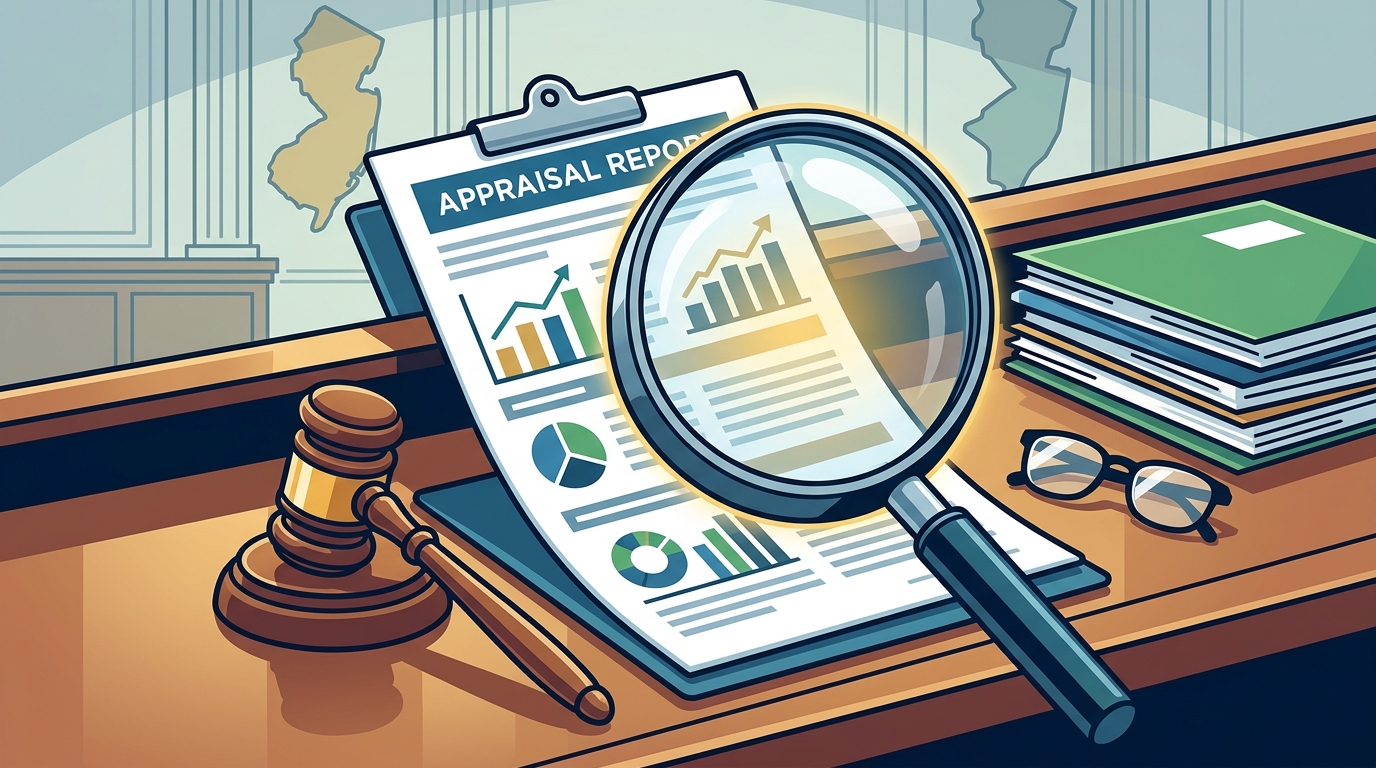
The final product, the appraisal report, must be clear, concise, and comprehensive. It should follow a logical structure that guides the reader through the appraiser's reasoning. This includes a detailed description of the property, an explanation of the market conditions, a presentation of the comparable sales, and a clear statement of the final value opinion. The report should also include all relevant data sources and methodologies used in the analysis.
Look for reports that are well-organized and easy to read. Use of charts, graphs, and photographs can enhance understanding and make the report more persuasive. However, the content must be accurate and supported by data. Any inconsistencies or errors in the report can be exploited by opposing counsel to undermine the appraiser's credibility. Therefore, attention to detail is critical.
Additionally, consider the appraiser's willingness to provide a draft report for review before finalizing it. This allows you to identify any potential issues or gaps in the analysis early on. It also demonstrates their commitment to producing a high-quality product. A thorough review process ensures that the final report is robust and defensible in court.
Comparing Service Options and Fees
While cost should not be the primary factor in selecting a court-ready appraiser, it is a practical consideration. Fees for expert witness services can vary widely based on the complexity of the case, the appraiser's experience, and the time required for analysis and testimony. It is important to get a clear estimate of the total cost, including any additional fees for travel, report preparation, or court appearances.
| Service Type | Description | Typical Cost Range | Best For |
|---|---|---|---|
| Standard Appraisal | Basic valuation for lending purposes. | $300 - $500 | Non-legal transactions |
| Court-Ready Appraisal | Detailed report with legal defensibility. | $1,500 - $3,000 | Litigation support |
| Expert Witness Testimony | Deposition and court appearance. | $250 - $500 per hour | Court proceedings |
| Consultation | Initial case review and strategy. | $150 - $300 | Case assessment |
When comparing fees, ensure that you are comparing apples to apples. Some appraisers may charge a lower fee for the report but higher fees for testimony. Others may offer a package deal for both services. It is also important to ask about any potential additional costs, such as travel expenses or fees for responding to discovery requests. Transparency in pricing is a sign of professionalism and integrity.
Key Takeaways
- Verify Licensure: Always check the New Jersey Real Estate Appraisal Board database to confirm active licensure and certification status.
- Seek Expert Witness Experience: Prioritize appraisers who have a proven track record of testifying in New Jersey courts.
- Local Knowledge is Critical: Choose an appraiser who specializes in the specific municipality and property type involved in the case.
- Review Report Quality: Ensure the appraisal report is comprehensive, well-organized, and free of errors to withstand legal scrutiny.
- Understand Fee Structures: Clarify all costs upfront, including report preparation, deposition, and court appearance fees.
- Check References: Ask for references from attorneys who have previously used the appraiser in litigation.
- Focus on Communication: Select an appraiser who can clearly explain complex valuation concepts to a non-technical audience.
Frequently Asked Questions
What is the difference between a standard appraisal and a court-ready appraisal?
A standard appraisal is typically prepared for a lender to ensure the property provides sufficient collateral for a loan. It follows a more standardized format and may not delve deeply into the nuances of the market. A court-ready appraisal, on the other hand, is prepared for legal proceedings. It requires a more rigorous analysis, detailed documentation of data sources, and a clear explanation of the valuation methodology to withstand cross-examination. The goal is to provide a defensible opinion of value that can be explained and justified in court.
How do I verify an appraiser's credentials in New Jersey?
You can verify an appraiser's credentials by visiting the New Jersey Real Estate Appraisal Board's website. They maintain an online database where you can search for appraisers by name or license number. This database provides information on their license type, expiration date, and any disciplinary actions. It is important to ensure that the appraiser's license is current and in good standing before engaging their services.
Can an appraiser testify in court without being licensed in New Jersey?
No, an appraiser must be licensed or certified in the state where the property is located to perform an appraisal for compensation. However, in some cases, an out-of-state appraiser may be allowed to testify if they are licensed in their home state and meet specific reciprocity requirements or are admitted as an expert by the court. It is best to consult with an attorney to determine the specific requirements for your case.
What should I look for in an appraisal report for a legal case?
Look for a report that is clear, concise, and comprehensive. It should include a detailed description of the property, an explanation of the market conditions, a presentation of the comparable sales, and a clear statement of the final value opinion. The report should also include all relevant data sources and methodologies used in the analysis. Additionally, the report should be well-organized and easy to read, with the use of charts, graphs, and photographs to enhance understanding.
How much does a court-ready appraisal cost in New Jersey?
The cost of a court-ready appraisal can vary widely depending on the complexity of the case, the appraiser's experience, and the time required for analysis and testimony. On average, you can expect to pay between $1,500 and $3,000 for the report, with additional fees for expert witness testimony, which typically range from $250 to $500 per hour. It is important to get a clear estimate of the total cost upfront and to ask about any potential additional fees.
Why is local market expertise important for a court appraisal?
Local market expertise is crucial because property values are heavily influenced by local factors such as zoning regulations, school districts, and community amenities. An appraiser who is familiar with the local market will have a deeper understanding of these factors and will be able to select more appropriate comparable sales. This leads to a more accurate and defensible valuation. Additionally, local appraisers are often more familiar with the local judicial expectations and can better navigate the legal process.
What is USPAP and why is it important?
USPAP stands for the Uniform Standards of Professional Appraisal Practice. It is the generally accepted set of standards, rules, and guidelines for appraisers in the United States. Adherence to USPAP is mandatory for all appraisers performing services for compensation. It ensures that appraisers maintain a high level of professionalism, ethics, and competency. In a legal context, adherence to USPAP is often a prerequisite for the admissibility of an appraisal report as evidence.
Contact Us for Expert Appraisal Services
Selecting the right appraiser is a critical step in ensuring a favorable outcome in your real estate litigation. At New Jersey Real Estate Appraisal, we specialize in providing court-ready appraisals that are accurate, defensible, and tailored to the unique needs of legal proceedings. Our team of certified appraisers has extensive experience in New Jersey courts and a deep understanding of local market dynamics. We are committed to providing the highest level of professional service and support. Contact us today to schedule a consultation and discuss how we can assist you with your case.