
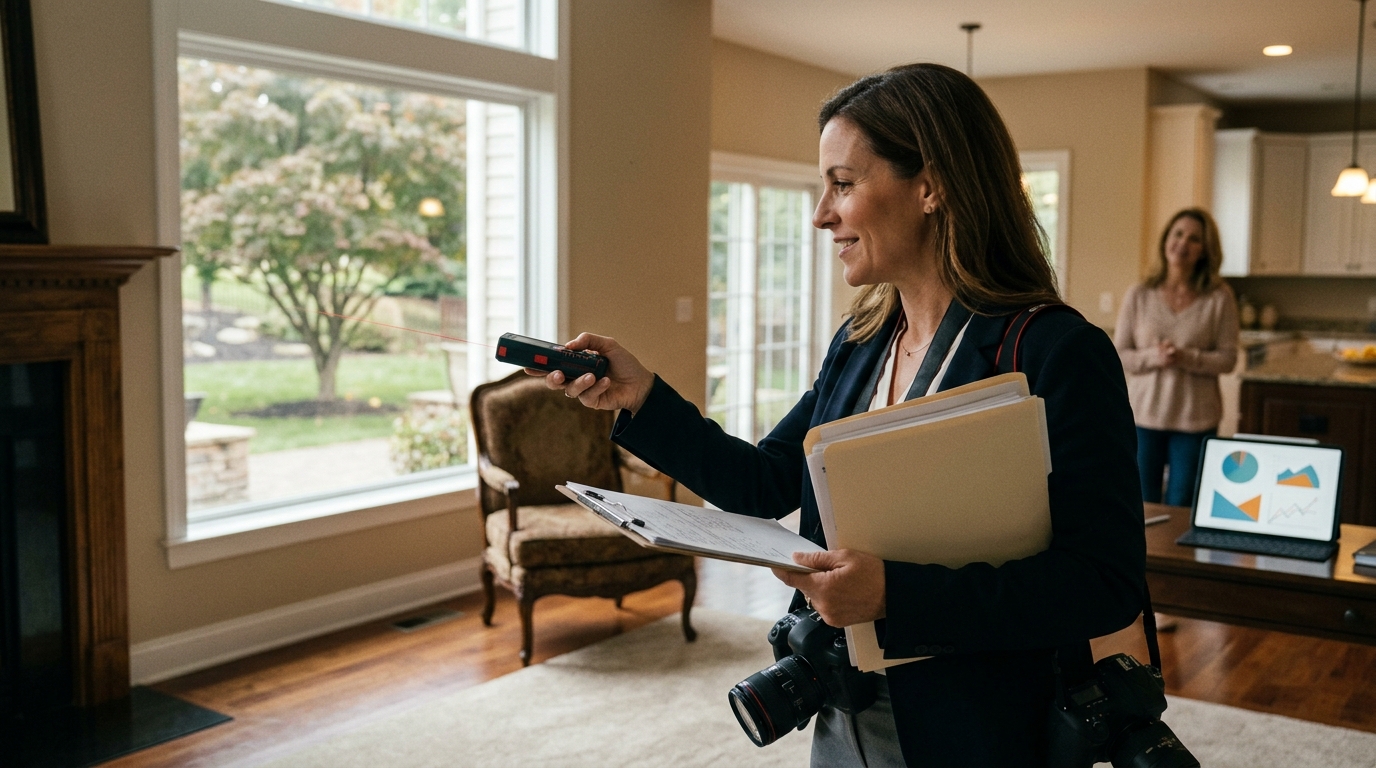
Obtaining a certified real estate appraisal in New Jersey is a critical step for homeowners, investors, and legal professionals navigating complex property transactions. According to recent market analyses, accurate property valuations are essential for securing financing, settling estates, and ensuring equitable asset division in divorce proceedings. This guide outlines the precise steps to secure a state-certified appraisal that meets federal and state regulatory standards.
Understanding State-Certified Appraisers
The foundation of a defensible property valuation lies in the credentials of the professional conducting the assessment. In New Jersey, real estate appraisers must hold specific state certifications issued by the New Jersey Real Estate Appraisal Commission. These certifications ensure that the appraiser has met rigorous education, experience, and examination requirements.
A State-Certified General Appraiser is qualified to appraise any type of real estate, including complex commercial properties and high-value residential estates. Conversely, a Licensed Residential Appraiser is typically limited to residential properties with transaction values below specific thresholds. For legal matters such as divorce settlements or tax appeals, courts and lenders almost universally require the signature of a State-Certified General Appraiser to ensure the report's integrity.
Furthermore, all appraisals must adhere to the Uniform Standards of Professional Appraisal Practice (USPAP). USPAP is the generally accepted ethical and performance standards for the appraisal profession in the United States. Adherence to these standards ensures that the valuation is unbiased, objective, and scientifically derived from market data.
Identifying Your Specific Appraisal Needs
Before contacting an appraiser, you must define the purpose of the appraisal. The intended use of the report dictates the scope of work and the specific data points the appraiser must analyze. Common scenarios in New Jersey include:
- Refinancing: Lenders require an appraisal to ensure the loan amount does not exceed the property's market value.
- Divorce Settlements: Courts require an unbiased, court-ready valuation to facilitate equitable asset division between spouses.
- Estate Settlement: Executors need a date-of-death appraisal to determine the fair market value for probate and tax purposes.
- Tax Appeals: Property owners may commission an appraisal to challenge their municipal tax assessment if they believe it exceeds market value.
Understanding these distinctions is vital because a standard lender's appraisal may not contain the detailed narrative analysis required for a divorce decree or a tax board appeal. NJREAG provides detailed resources on how different appraisal types serve distinct legal and financial functions.
Selecting the Right Appraisal Firm
Choosing a qualified appraisal firm requires due diligence. You should verify that the firm employs state-certified appraisers with local expertise in your specific New Jersey county. Local knowledge is paramount because property values can vary significantly between municipalities, even within the same county.
When evaluating potential firms, consider the following criteria:
- Experience: Look for firms with over two decades of experience in the New Jersey market. Longevity often correlates with a deeper understanding of local zoning laws, school district impacts, and neighborhood trends.
- Transparency: A reputable firm will provide a clear, no-nonsense approach to pricing and turnaround times. Avoid firms that offer vague estimates or promise unrealistic delivery speeds.
- Compliance: Ensure the firm explicitly states their adherence to USPAP standards. This compliance is your guarantee that the report will be accepted by lenders, courts, and tax boards.
New Jersey Real Estate Appraisal Group (NJREAG) exemplifies these standards by employing state-certified appraisers who deliver court-ready valuations backed by in-depth market research. Their team serves all 21 New Jersey counties, ensuring that local nuances are accurately captured in every report.
The Inspection and Data Collection Process
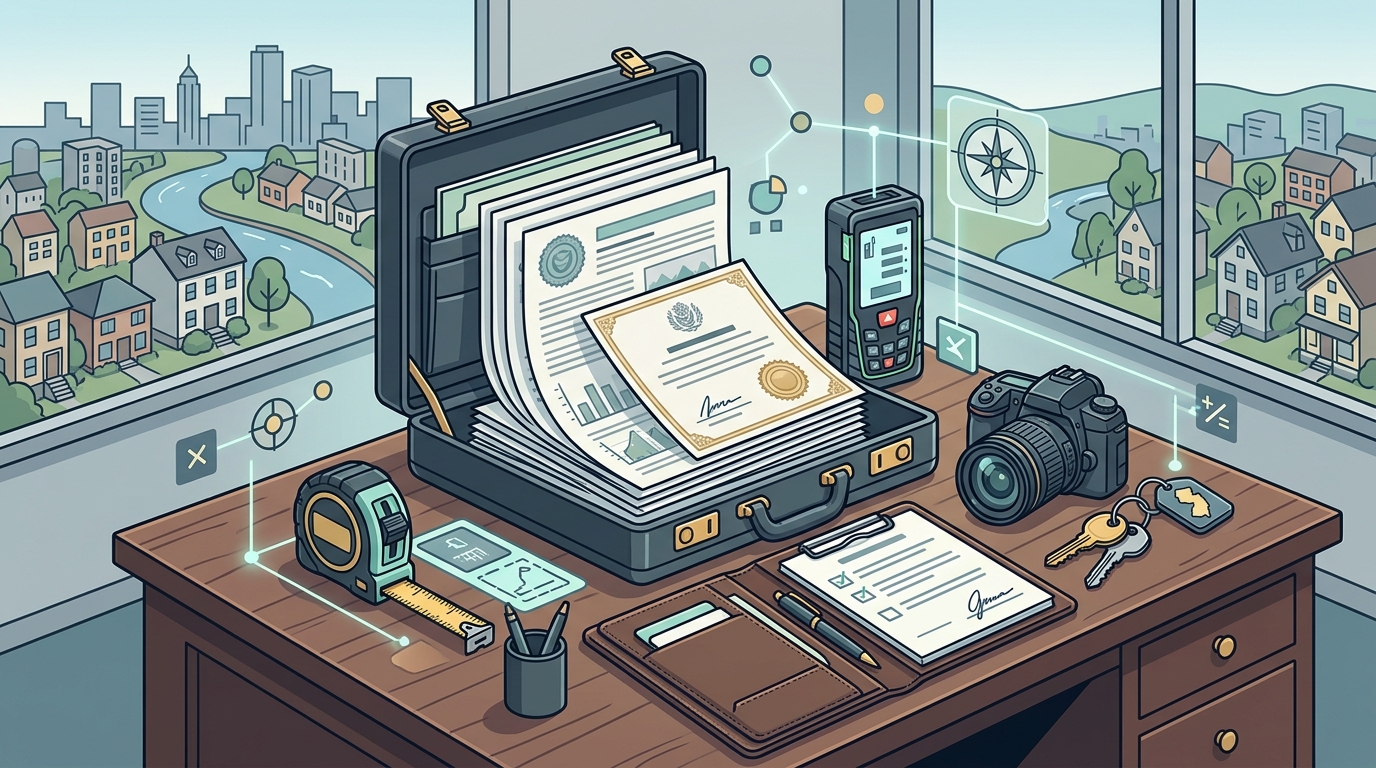
Once you have engaged an appraiser, the process moves to the data collection phase. This stage is critical for the accuracy of the final valuation. The appraiser will schedule a physical inspection of the property.
Preparing for the Inspection
To facilitate a smooth inspection, homeowners should ensure the property is accessible and well-maintained. Provide the appraiser with a list of recent improvements, such as roof replacements, HVAC upgrades, or kitchen renovations. These updates can significantly impact the final value.
Comparative Market Analysis
After the physical inspection, the appraiser conducts a comparative market analysis. This involves researching recent sales of comparable properties (comps) in your immediate vicinity. The appraiser adjusts the values of these comps based on differences in square footage, lot size, condition, and amenities.
For commercial properties, the analysis may also include income capitalization approaches, evaluating the property's potential to generate revenue. This dual approach ensures that the valuation reflects both market sentiment and financial performance.
Receiving and Reviewing the Final Report
Typically, clients receive their appraisal report within five to seven business days following the inspection. The report will include a detailed narrative explaining the methodology, the comparable sales used, and the final opinion of value.
It is crucial to review the report for accuracy. Check that the property description matches the physical reality of the home. Any errors in square footage or room count can skew the valuation. If you identify discrepancies, contact your appraiser immediately for clarification or correction.
For complex legal matters, such as divorce appraisals in Atlantic County or tax appeals in Bergen County, the report must be meticulously documented to withstand scrutiny from opposing counsel or tax assessors.
Frequently Asked Questions
How long does it take to get a certified appraisal in New Jersey?
Most standard residential appraisals are completed within five to seven business days after the property inspection. Complex commercial or legal appraisals may require additional time for detailed data analysis.
What is the difference between a licensed and a certified appraiser?
A licensed appraiser is qualified to appraise simpler residential properties, while a state-certified appraiser has advanced training and experience, allowing them to appraise any property type, including high-value and complex commercial assets.
Do I need an appraisal for a divorce settlement?
Yes, New Jersey courts generally require a professional, unbiased appraisal to ensure fair asset division. An automated valuation model is rarely accepted in legal proceedings.
How much does a real estate appraisal cost in New Jersey?
Costs vary based on property type, size, and complexity. Residential appraisals typically range from $300 to $600, while commercial appraisals can cost significantly more due to the extensive data analysis required.
Can I challenge my property tax assessment with an appraisal?
Yes, a certified appraisal can serve as strong evidence in a tax appeal. However, you must file your appeal with your local municipal tax board within specific statutory deadlines.
What is USPAP compliance?
USPAP stands for Uniform Standards of Professional Appraisal Practice. It is the set of ethical and performance standards that all federally recognized appraisers must follow.
Do appraisers consider neighborhood trends?
Yes, local market trends, including school district ratings, crime rates, and proximity to amenities, are critical factors in determining property value.
Secure Your Accurate Property Valuation Today
Obtaining a certified real estate appraisal is not just a formality; it is a strategic decision that protects your financial interests. Whether you are navigating a divorce, settling an estate, or refinancing your home, accuracy is paramount.
New Jersey Real Estate Appraisal Group offers state-certified, USPAP-compliant appraisals across all 21 counties. With over 26 years of experience, our team provides transparent, court-ready valuations tailored to your specific needs. Contact us today to schedule your appraisal and ensure your property's true value is recognized.